
The Importance of Immunizations
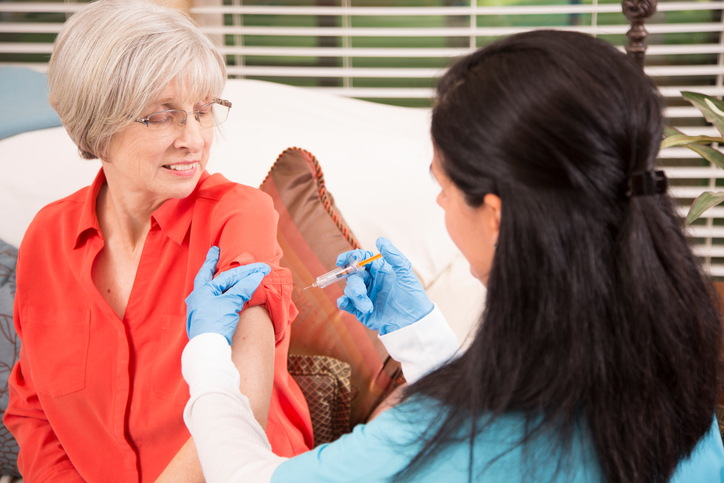
Immunizations are the number one public health achievement of the last century, saving millions of lives and preventing illness and lifelong disability in millions more.
Just a few decades ago, childhood diseases like measles, mumps and whooping cough resulted in hospitalization, lifelong consequences and even death. Although vaccination has led to a dramatic decline in the number of US cases of several infectious diseases, some of these diseases are quite common in other countries and are brought to the US by international travelers.
It’s important to note that organizations such as the American Academy of Pediatrics, the American Academy of Family Physicians, and the Centers for Disease Control and Prevention all strongly support protecting children with recommended vaccinations. All vaccines undergo a long and careful review by physicians, scientific and medical communities, as well as the federal government to ensure vaccines are safe and effective.
The importance of vaccinations doesn’t stop at a certain age. Immunity from childhood vaccinations can wear off and people can be at risk for new and different diseases. Additionally, vaccines and their recommendations may change over the years and certain vaccines may not have been available for some during childhood.
Throughout an adult’s life, immunizations are needed for protection against:
- Seasonal influenza
- Tetanus, diphtheria and pertussis (for all adults who have not received a Tdap vaccine)
- Shingles for healthy adults age 50 and older
- Pneumococcal for adults age 65 and older and adults with risk conditions
- Hepatitis B for adults who have diabetes or are at risk
- Other vaccinations that may be needed include those that prevent against HPV, hepatitis A, meningococcal disease, chickenpox, and measles, mumps and rubella
We have a public health commitment to protect each other and each other’s children by vaccinating ourselves and our family members. If our families aren’t vaccinated, we can spread disease to others who are too young to be vaccinated or to people with weakened immune systems, such as transplant recipients and people with cancer. This could result in long-term complications and even death for these vulnerable people.
If you have any questions about immunization schedules for your child or for yourself, please contact your family care physician. If you need a family care physician, please call our physician referral line at 830.401.7401, or visit our physician directory.
Source: Immunization Action Coalition, Top Ten Reasons to Protect Your Child by Vaccinating